Available Material
- Carbon Steel: ASTM A105, A350 LF2
- Stainless Steel: A182 F304 / F304L / F316 / F316L / F321
- Alloy Steel: ASTM A182 GR F1, F11, F22, F5, F9, F91
Dimensions
- Outer Diameters: 1/2” to 24”
- Wall Thickness: SCH 10, SCH 40, SCH 160
Working Environment
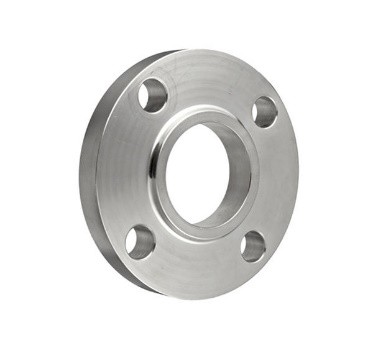
Lap joint flange is typically used for low-pressure applications and is not suitable for systems requiring high load-bearing capacity. It is commonly used in pipes such as plastic-lined metal pipes.
Stub End – Key Fitting
A stub end is always used with a lap joint flange as a backing flange. There are three main types:
- Type A: Fits standard lap joint support flange
- Type B: Used with standard slip-on flange
- Type C: Can be used with both lap joint and slip-on flanges
Stub ends are available in long and short patterns. The long pattern is also known as ASA Stub Ends, while short patterns are typically used with larger flanges (ANSI 300 and 600), and are common in ANSI 900 and above.
Benefits of Using Lap Joint Flange
- Ideal for systems requiring frequent dismantling and inspection.
- Easy rotation for aligning bolt holes, especially in large diameter pipes.
- Cost-saving when using expensive materials like stainless or alloy steel.
- Flange does not contact process fluid, reducing corrosion impact.
- Reusable in systems exposed to corrosion.
Difference Between Lap Joint and Slip On Flange
Slip-on flange is a ring placed over the pipe end and welded internally and externally. It is lower in cost and easier to align compared to weld neck flange.
Lap joint flange appears similar externally, but differs internally by having a curved radius to accommodate the stub end.
- Slip On Flange: Welded directly to pipe
- Lap Joint Flange: Used with stub end and allows rotation
- Design Difference: Lap flange has curved radius at bore
- Flexibility: Lap joint allows easier alignment and reuse



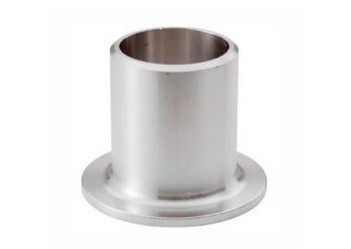 Stub End
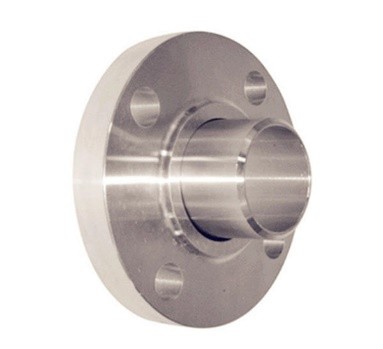 Lap Joint Flange with Lap Joint Stub End