


Forged Steel Flange
Forged steel flange offers higher precision and better performance compared to cast flanges. It is widely used across various industries for connecting pipelines and equipment, especially in high-pressure and high-temperature environments.
Forged flanges are plate-type components, usually circular in shape, that are attached to the ends of pipes, fittings, valves, or other equipment. They facilitate easy assembly and disassembly of piping systems while providing excellent mechanical strength and reliability.
Connection Types:
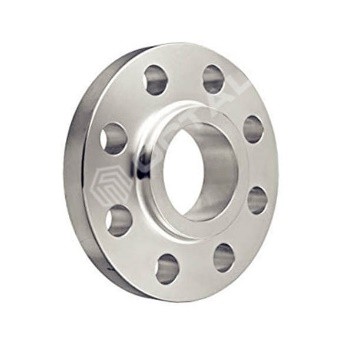
Slip On Flange
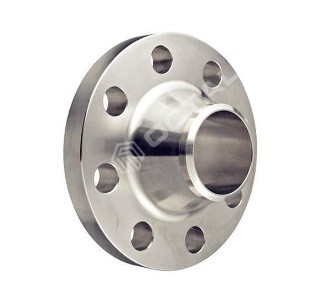
Weld Neck Flange
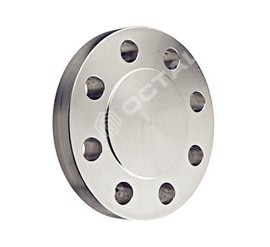
Blind Flange
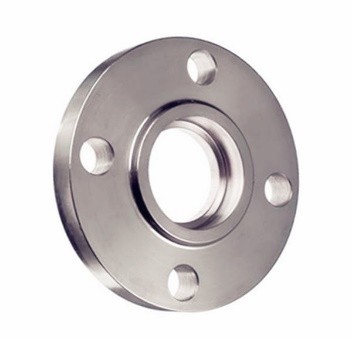
Socket Weld Flange
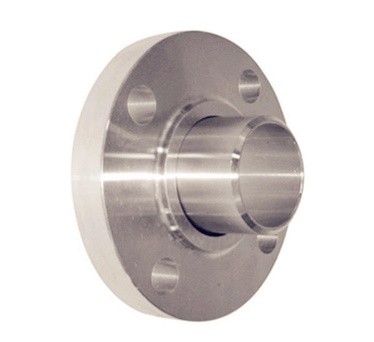
Lap Ring Joint
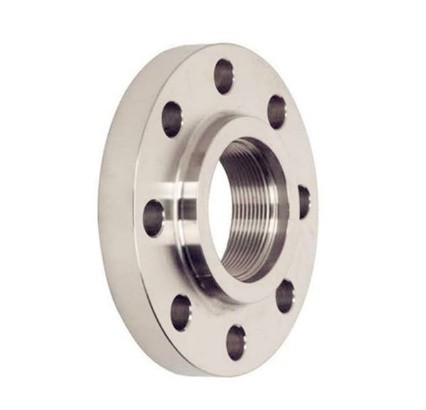
Threaded Flange
Raw Material for Forged Flange
Forged steel flanges are typically manufactured from pipe billets. The billet is cut and then repeatedly hammered to remove internal defects such as segregation and porosity in the ingot, resulting in a stronger and more reliable structure.
Material Standards
Forged steel flange materials are generally carbon steel, alloy steel, and stainless steel.
- Stainless Steel: ASTM A182 F304, F316
- Alloy Steel: ASTM A182 F5, F9, F11, F12, F21, F22
- Carbon Steel: ASTM A105, ASTM A694 F42, F46, F52, F60, F65, F70, ASTM A350 LF2
ASTM Standards Overview
- ASTM A182: Forged alloy & stainless steel piping components for pressure systems (flanges, fittings, valves).
- ASTM A105: Carbon steel forged components for ambient and high-temperature pressure systems.
- ASTM A350: Carbon and low alloy steel forgings for low-temperature service with notch toughness requirements.
- ASTM A694: Carbon and alloy steel forgings for high-pressure transmission service.
Forged Flange Pressure Ratings
- Class 150 lb
- Class 300 lb
- Class 600 lb
- Class 900 lb
- Class 1500 lb
- Class 2500 lb
Advantages of Forged Steel Flange
- High pressure resistance
- Excellent temperature resistance
- Superior durability
- Easy installation and maintenance
Manufacturing Process
Forging typically follows these steps:
- Selecting high-quality billet
- Heating
- Forming
- Forging
- Cooling
Manufacturing Standards Referred
- ASME B16.5: Pipe flanges and flanged fittings dimensions
- ASME B16.47: Large diameter flanges (NPS 26–60)
- MSS-SP44: Steel pipeline flanges
- API 605: Large diameter carbon steel flanges
Forging Methods
Forged steel flanges are produced using different forging techniques depending on production volume and quality requirements.
Free Forging
Low productivity but highly flexible, suitable for small batches and simple shapes.
Die Forging
The heated billet is placed into a forging die mounted on equipment, producing more precise and repeatable components.
Forged vs Cast Flange
Cast Iron Flange
- Low cost and high production efficiency
- Suitable for low/medium pressure systems
- Complex shapes possible
- May contain defects (porosity, cracks, inclusions)
- Lower mechanical strength compared to forged flanges
Forged Steel Flange
- Lower carbon content and better corrosion resistance
- High strength and compact structure
- Superior mechanical properties
- Higher cost than cast flanges
- Uniform internal structure without pores or inclusions